

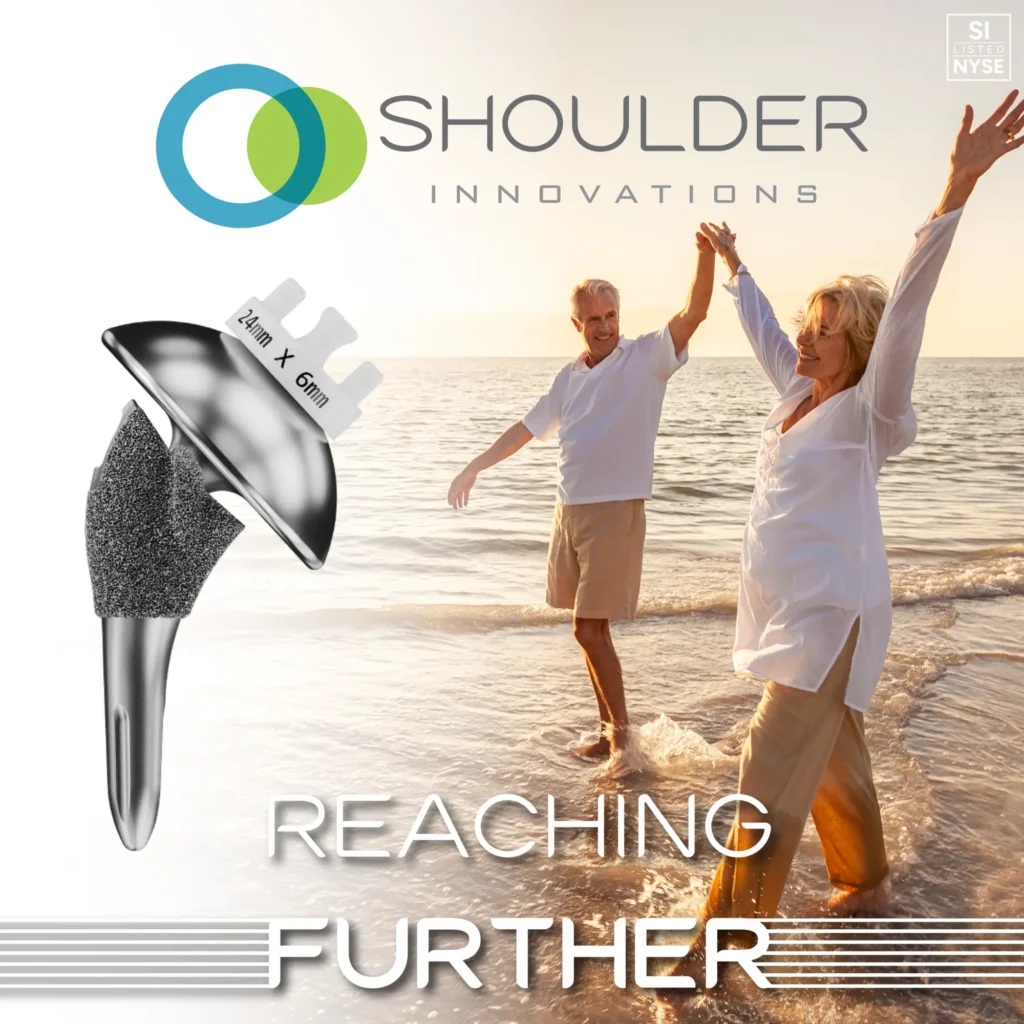
If you have been living with persistent shoulder pain and limited motion that has not improved with conservative care, you may wonder, “What is reverse shoulder replacement surgery?” This procedure is designed for patients with severe rotator cuff tears, cuff tear arthropathy, complex fractures, or shoulder arthritis in the setting of an irreparable rotator cuff. Understanding what reverse shoulder replacement surgery involves can help you feel more informed and prepared as you explore options for restoring comfort and function.
Key Takeaways
- Reverse shoulder replacement surgery differs from traditional shoulder replacement by switching the position of the ball and socket components, which allows the deltoid muscle to compensate for damaged rotator cuff muscles.
- This procedure may be recommended for patients with severe rotator cuff tears, cuff tear arthropathy, advanced shoulder arthritis, or complex fractures that haven’t responded to conservative treatment.
- Many patients have experienced pain relief and improved shoulder function, though keep in mind that maximal recovery can take 6 months to a year or longer.
Understanding Your Shoulder Anatomy
Your shoulder represents one of the most complex and mobile joints in your body. Three bones come together to form the shoulder: the humerus (upper arm bone), the scapula (shoulder blade), and the clavicle (collarbone). The shoulder operates as a ball-and-socket joint, where the rounded head of the humerus fits into a shallow socket called the glenoid. This structure allows movement in virtually all directions. Both the humeral head and glenoid are covered with smooth articular cartilage that enables smooth movement.
The rotator cuff plays a key role in shoulder function. This group of four tendons and muscles surrounds the shoulder joint, providing stability and generating movement. The deltoid muscle works in conjunction with the rotator cuff to power many shoulder movements. When these structures become damaged or deteriorated, normal shoulder function becomes compromised.
Conditions That May Lead to Reverse Shoulder Replacement
Reverse shoulder replacement surgery may be recommended for several conditions. Large rotator cuff tears can interfere with shoulder function. When a massive tear occurs, the rotator cuff may no longer adequately stabilize the shoulder joint. In severe cases, the humeral head can migrate upward, causing pain and severely limiting motion.
Cuff tear arthropathy (CTA) represents a combination of rotator cuff damage and arthritis. This condition typically develops when a large rotator cuff tear exists alongside significant cartilage deterioration. Patients with CTA often experience severe pain and profoundly limited shoulder function.
Complex shoulder fractures sometimes warrant reverse shoulder replacement as well, particularly in older patients with compromised bone quality.
What Makes Reverse Shoulder Replacement Different
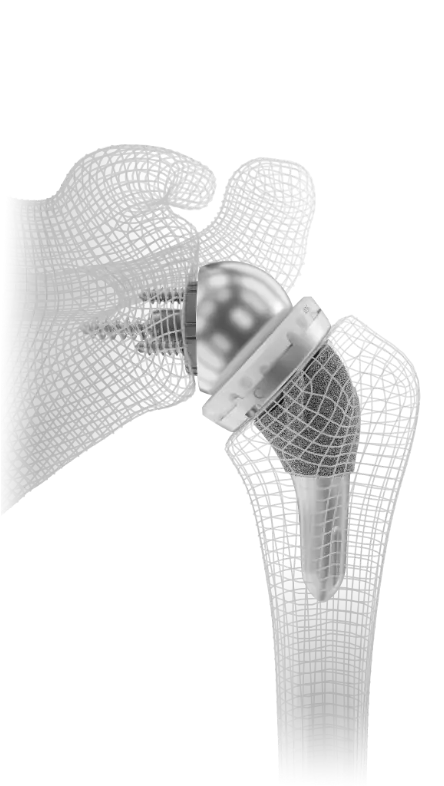
In a normal shoulder, the ball (humeral head) sits at the top of the arm bone, while the socket (glenoid) is part of the shoulder blade. The reverse shoulder replacement procedure reverses this natural anatomy by placing a ball-shaped component on the shoulder blade and a socket-shaped component on the arm bone.
This reversal might seem counterintuitive, but it serves a key purpose. When the rotator cuff is severely damaged or absent, traditional shoulder replacement may not restore proper function because it still depends on the rotator cuff muscles to move the shoulder. The reverse design allows the deltoid muscle to power shoulder elevation and compensate for the loss of rotator cuff function.
Traditional total shoulder replacement generally can work well for patients with arthritis who have intact rotator cuffs. However, for those with compromised rotator cuff function, reverse shoulder replacement offers a solution that traditional replacement cannot provide. This distinction has expanded surgical options for patients who previously had limited reconstructive solutions.
The Surgical Procedure
If you and an experienced shoulder surgeon decide that reverse shoulder replacement is appropriate, understanding the surgical process can help you feel more prepared. The procedure typically takes between one and three hours and is performed under general anesthesia.
Your surgeon will make an incision to access the joint, remove the damaged humeral head, and prepare the arm bone to receive the socket component. The component will be secured. On the glenoid side, your surgeon will prepare the bone surface and attach a metal plate with a ball-shaped glenosphere. The size and positioning of these components are carefully selected based on your specific anatomy.
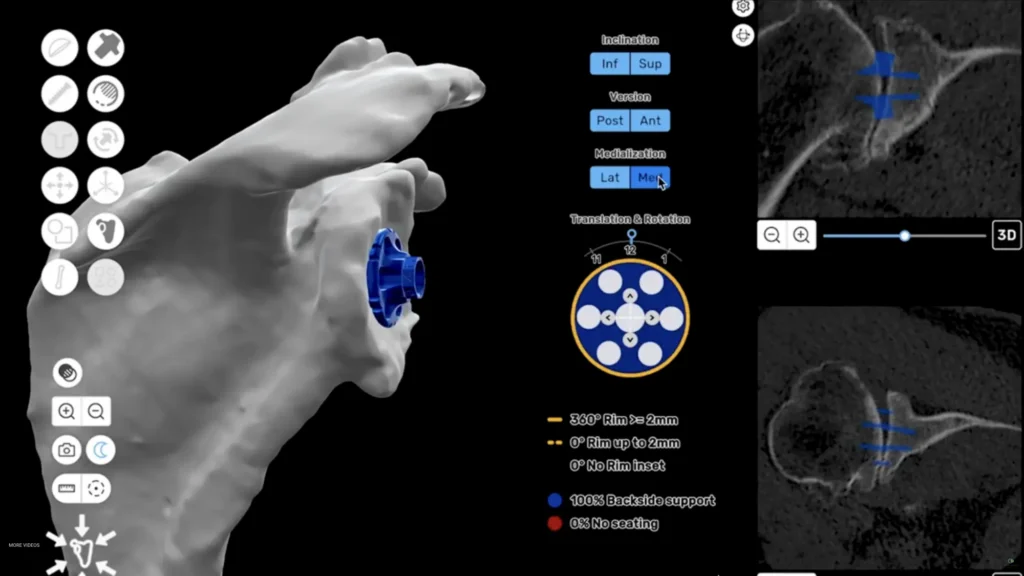
Modern surgical planning may involve computerized 3D analysis through CT scans. This advanced planning allows surgeons to evaluate your unique anatomy virtually and determine optimal implant sizes and positions before surgery. Some surgeons use specialized planning software to optimize the procedure.
After the components are secured, your surgeon will ensure proper stability and range of motion before closing the incision.
Recovery and Rehabilitation
Your recovery journey begins immediately after surgery. Initially, you’ll wear a sling to protect the shoulder. Some pain and discomfort are normal during the first few weeks, though pain management strategies can help keep you comfortable.
Physical therapy is typically a key component of successful recovery. Your rehabilitation program will likely begin within a few days to weeks after surgery. Early exercises typically focus on gentle passive motion. This helps prevent stiffness while protecting the healing tissues. As healing progresses, you may gradually advance to active exercises and strengthening activities. While many people may begin light daily activities within four to six weeks after surgery, maximal recovery typically takes several months to a year or longer.
Modern Advances in Reverse Shoulder Technology
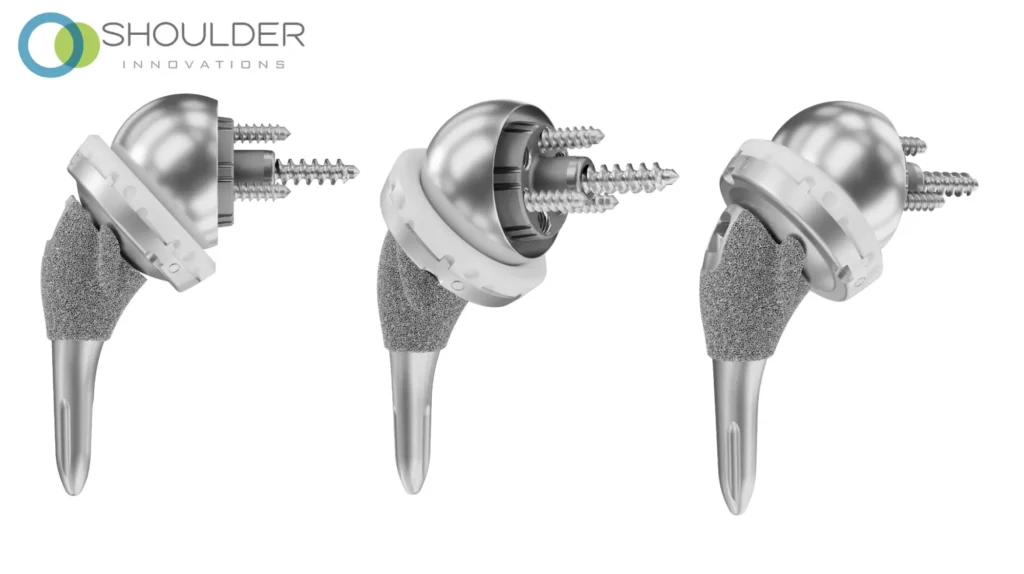
The field of shoulder replacement has evolved considerably. Advances in implant design, materials, and surgical techniques have improved outcomes for many patients. Contemporary reverse shoulder systems offer surgeons numerous options for customizing the implant to each patient’s unique anatomy. Different sizes and configurations allow for better matching of implants to individual needs, which may help optimize shoulder motion and stability.
Additionally, bone-preserving designs have gained attention recently. Some modern humeral components require less bone removal during implantation, which can be beneficial if revision surgery ever becomes necessary. For example, the InSet® Reverse Shoulder System features design elements aimed at preserving bone while providing stable fixation, with titanium components that include specialized coatings engineered to promote bone integration.
Pre-operative planning software represents another technological advance. Some systems convert CT scans into 3D computer models, allowing surgeons to virtually plan the procedure and select optimal implant positioning.
Making the Decision
Deciding whether to proceed with reverse shoulder replacement requires careful consideration. Your surgeon will evaluate your specific condition, overall health, activity goals, and expectations. Age and health status play important roles. Your activity expectations should be discussed openly with your surgeon, as realistic expectations help ensure satisfaction with the outcome.
Summary
What is reverse shoulder replacement surgery? It’s an innovative procedure that reverses the normal ball-and-socket anatomy of the shoulder, allowing the deltoid muscle to compensate for damaged or absent rotator cuff function. This surgical approach has revolutionized treatment for patients suffering from massive rotator cuff tears, cuff tear arthropathy, advanced arthritis in elderly patients, and complex shoulder fractures.
The procedure aims to provide significant pain relief and functional improvement for appropriate candidates. While recovery requires commitment to rehabilitation and several months of healing, many patients achieve meaningful improvements in their quality of life. Modern advances in implant design, materials, and surgical planning continue to enhance outcomes and may extend the longevity of these implants.
As with any major surgery, reverse shoulder replacement carries risks that must be weighed against potential benefits. Working with an experienced shoulder specialist who can assess your individual situation, explain your options, and guide you through the decision-making process is essential.
Frequently Asked Questions
How is reverse shoulder replacement different from traditional total shoulder replacement?
Traditional total shoulder replacement maintains natural anatomy with a ball on the humerus and socket on the glenoid, relying on an intact rotator cuff. Reverse shoulder replacement switches these positions, placing the ball on the glenoid and socket on the humerus. This can allow the deltoid muscle to compensate for damaged rotator cuff function.
What activities will I need to avoid after reverse shoulder replacement?
After full recovery, many patients can return to low-impact activities and daily tasks, including swimming, golf, and other fitness activities. However, you may need to avoid heavy overhead lifting, contact sports, and high-impact activities. Specific restrictions vary among surgeons and depend on your individual case.
How do I choose the right surgeon for reverse shoulder replacement?
Look for orthopedic surgeons who specialize in shoulder surgery and perform these procedures regularly. Consider asking potential surgeons about their experience, annual volume of procedures, and approach to managing potential complications. Board certification in orthopedic surgery and fellowship training in shoulder surgery indicate advanced expertise.