

Understanding what to expect after total shoulder replacement can help you prepare mentally and physically for your recovery journey. If you’re considering or have already scheduled shoulder replacement surgery, knowing what lies ahead can help you prepare for a smoother recovery. In this post, we’ll walk you through the recovery process, from the moment you wake up after surgery to your return to everyday activities and beyond.
Key Takeaways
- While many patients see substantial improvement within six to twelve months, the overall recovery timeline varies depending on individual health factors, surgical technique, and adherence to rehabilitation.
- Physical therapy plays a key role in regaining strength and range of motion throughout your healing process.
- Pain management strategies evolve as you heal, and many patients experience gradual improvement in pain over the first several weeks to months, though timelines can vary.
What Is Total Shoulder Replacement?
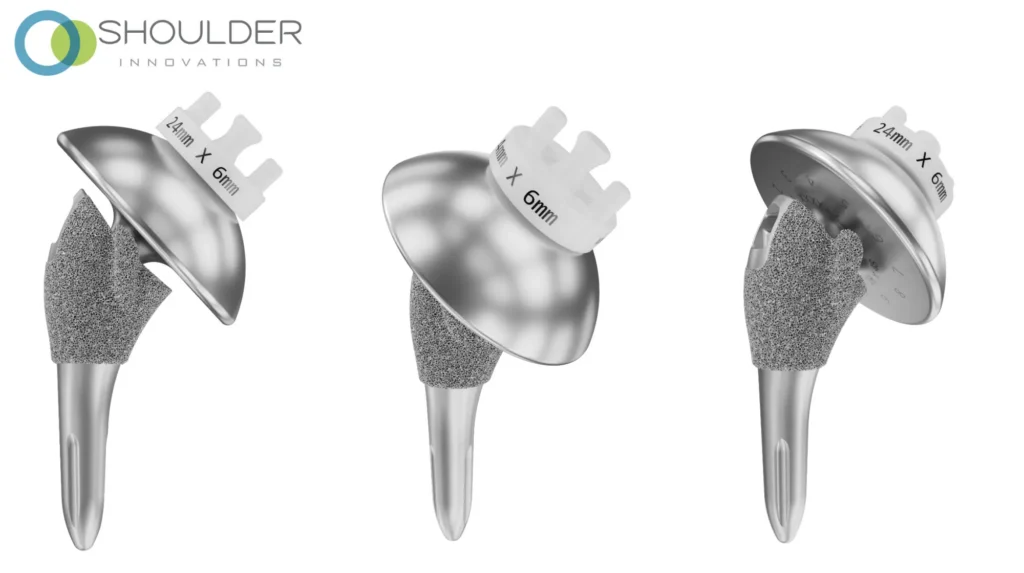
Total shoulder replacement, also called anatomic shoulder arthroplasty, is a surgical procedure designed to relieve pain and restore function in a shoulder damaged by arthritis or other joint conditions. During the procedure, the worn cartilage and damaged bone are removed and replaced with prosthetic components by an experienced shoulder surgeon. A metal ball is attached to the top of the upper arm bone (humerus), and a smooth plastic socket is placed into the shoulder blade (glenoid). This reconstruction is designed to improve joint motion and help reduce pain caused by bone-on-bone contact.
The First 24 Hours: What Happens Immediately After Surgery
When you wake up from total shoulder replacement surgery, you’ll find yourself in a recovery room where medical staff will monitor your vital signs. Your shoulder will be immobilized in a sling, which helps protect the surgical site and newly positioned implant. Some grogginess from anesthesia is normal and typically fades within a few hours.
Many patients receive a nerve block before or during surgery. This numbing medication may provide pain relief for the first 12 to 24 hours. When the block wears off, you might notice an increase in discomfort. Your care team will recommend pain relief strategies to help manage this transition.
Depending on your overall health and surgical plan, you may go home the same day or stay overnight. Your surgeon will determine the best approach based on your individual circumstances.
The First Week: Adjusting
The initial days following surgery often present an adjustment period. Your arm will remain in a sling most of the time, protecting the surgical repair while tissues heal. You’ll wear this sling even while sleeping. Swelling and bruising around your shoulder and upper arm are expected. Applying ice packs as directed can help reduce swelling and provide pain relief. Many patients find that elevating their arm on pillows also helps minimize swelling.
During this first week, simple tasks like getting dressed, bathing, and preparing meals will require assistance since you can only use one arm. Having a support person available can significantly ease daily challenges.
Beginning Physical Therapy: The Foundation of Recovery
Physical therapy typically begins within a few days of your surgery, though the exact timing depends on your surgeon’s protocol. Your first sessions will likely be gentle, focusing on passive range-of-motion exercises. During passive exercises, your therapist moves your arm for you while your muscles remain relaxed. This approach maintains mobility without stressing healing tissues.
These early sessions might feel uncomfortable, but they shouldn’t cause severe pain. Your therapist will guide you in distinguishing between the discomfort of stretching and pain that signals a problem.
Weeks Two Through Six: Gradual Progress
As you move into the second through sixth weeks, you may notice gradual improvements in comfort and ability to perform daily tasks. Many patients can reduce pain medication during this period. Your physical therapy will progress to include more active-assisted exercises, where you help move your arm using your other hand or a pulley system. Your therapist will introduce gentle strengthening exercises, though you won’t be lifting weights or performing strenuous activities yet.
During this phase, your surgeon may allow you to wean off the sling. Many surgeons recommend waiting around four to six weeks before driving, and only once you can safely control the steering wheel and are no longer taking narcotic pain medication. Your surgeon can give clearance for when you are ready to drive.
Months Two Through Three: Building Strength and Function
The second and third months after total shoulder replacement often bring noticeable improvements. You may progress to more challenging strengthening exercises, gradually increasing resistance. Your therapist may introduce resistance bands, light weights, and functional movement patterns.
Many patients can return to sedentary work or light-duty activities by this point. Jobs requiring heavy lifting or overhead work may require additional healing time. Your range of motion will likely continue to improve, though you may still notice some limitations.
Continued Recovery: Returning to Activities
Between months four and six, many patients experience substantial functional improvements. You’ll likely have better range of motion and increased strength. Daily activities that seemed challenging before surgery may become manageable again.
This period is when many patients can gradually return to recreational activities. With your surgeon’s clearance, many patients may gradually return to low-impact recreational activities such as golf or swimming. High-impact activities or contact sports may remain restricted to protect your implant long-term. Maximal recovery may take six months to a year or longer.
Restrictions and Precautions
Following your surgeon’s activity restrictions is important for protecting your new implant and allowing proper healing. Common restrictions during the first few months may include:
- No lifting objects heavier than a coffee cup with your operated arm for a certain period of time
- Avoiding overhead reaching and behind-the-back movements until your surgeon approves these motions
- Not using your arm to push up from a seated or lying position
- Refraining from any pulling, pushing, or reaching activities that weren’t specifically approved
- Avoiding immersion of your incision in water until it’s fully healed and cleared by your surgeon
These restrictions aim to protect the healing soft tissues and allow the implant to stabilize properly while surrounding tissues recover. Your surgeon will provide personalized guidance based on your specific surgical technique, implant type, and tissue quality. Some patients may have more conservative restrictions, while others might progress more quickly depending on individual factors.
Preparing for Life with Your New Shoulder
As you progress through recovery and return to normal activities, you may develop new movement patterns and gradually learn to trust your reconstructed shoulder. Many patients initially feel protective of their operated arm, but gradually regain confidence as strength and function return.
Taking care of the implant long-term may include avoiding activities that place excessive stress on the shoulder, maintaining good overall shoulder strength and flexibility, and promptly addressing any new pain or functional changes. With proper care and appropriate activity modification, total shoulder replacement can provide long-term improvement in pain and function, though implant longevity varies based on individual factors such as age, activity level, and overall health.
Factors That Can Influence Your Recovery Timeline
While recovery after total shoulder replacement generally follows a predictable pattern, no two patients heal exactly the same way. Several factors may influence how quickly you progress through each phase. Your age and overall health can affect how your body responds to surgery. Patients with good bone quality and strong surrounding muscles often regain function more efficiently. Preoperative shoulder stiffness or long-standing weakness may require additional time in rehabilitation.
Your commitment to physical therapy also plays a role. Consistently performing your prescribed exercises, both in therapy sessions and at home, helps maintain motion and gradually rebuild strength. Skipping therapy or advancing activities too quickly can delay progress. The specific surgical technique used and the condition of your soft tissues at the time of surgery may also impact recovery speed. Your surgeon will tailor your rehabilitation plan based on these individual considerations to support safe and steady improvement.
Summary
Recovery following a total shoulder replacement involves a journey requiring patience, dedication to rehabilitation, and realistic expectations. Your specific recovery timeline will depend on factors including your age, overall health, bone quality, and commitment to rehabilitation. Working closely with your surgical team and following their guidance can help support a successful recovery.
Frequently Asked Questions
How long will I need to wear a sling after total shoulder replacement?
Many patients wear a sling for approximately four to six weeks after surgery, though your surgeon may adjust this timeline based on your specific procedure and healing progress. During this period, you may be allowed to remove the sling for exercises and bathing as directed. The sling protects your healing tissues and helps prevent accidental movements that could compromise your surgical repair.
When can I shower after shoulder replacement surgery?
Many surgeons allow patients to shower within a few days after surgery, provided you protect your incision from direct water spray and keep it covered with a waterproof dressing. You should avoid submerging your shoulder in bathwater, hot tubs, or swimming pools until your incision has fully healed and your surgeon has given clearance.
What is the difference between total and reverse shoulder replacement?
Total shoulder replacement is typically recommended for patients with shoulder arthritis and an intact rotator cuff. It restores the natural anatomy by replacing the damaged ball and socket with prosthetic components. Reverse shoulder replacement is often used when the rotator cuff is severely torn or not functioning. In this procedure, the ball and socket positions are reversed, allowing the deltoid muscle to power the shoulder instead of the rotator cuff.